
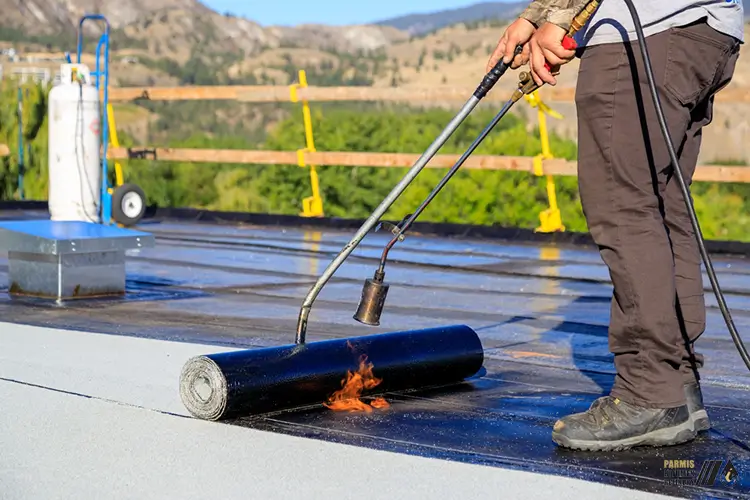
Bitumen roofing is a waterproof roofing system made from asphalt-based materials, primarily used on flat and low-slope roofs. Its ability to resist water penetration makes it a popular choice for residential, commercial, and industrial buildings.
The performance of these systems depends on membrane composition, bitumen quality, and installation methods. Manufacturers may use different raw materials sourced from international markets, including suppliers in Bitumen China. Understanding what bitumen roofing is made of, its applications, and the different types of modified bitumen helps building owners make informed roofing decisions.
What Is Bitumen Roofing?
Bitumen roofing is a waterproofing system that uses bitumen as its primary protective material. Bitumen is a thick, black hydrocarbon-based substance mainly obtained through crude oil refining. Its adhesive properties and resistance to water make it suitable for protecting roof structures against moisture.
This material is particularly effective on flat and low-slope roofs, where water drainage needs careful consideration. Depending on the project, roofing systems may use conventional bitumen or specially formulated materials with improved performance characteristics.
Two common systems are:
- Built-Up Roofing (BUR): Uses alternating layers of bitumen and reinforcing fabrics to create a multi-layer waterproof barrier.
- Modified Bitumen Roofing: Incorporates polymers into bitumen membranes to improve flexibility, strength, and temperature resistance.
The selection of bitumen depends on its intended application. For example, Viscosity Grade Bitumen is classified according to viscosity characteristics and is primarily associated with paving and infrastructure applications. Roofing manufacturers generally require formulations that meet specific membrane performance standards.
What Is Bitumen Roofing Made Of?
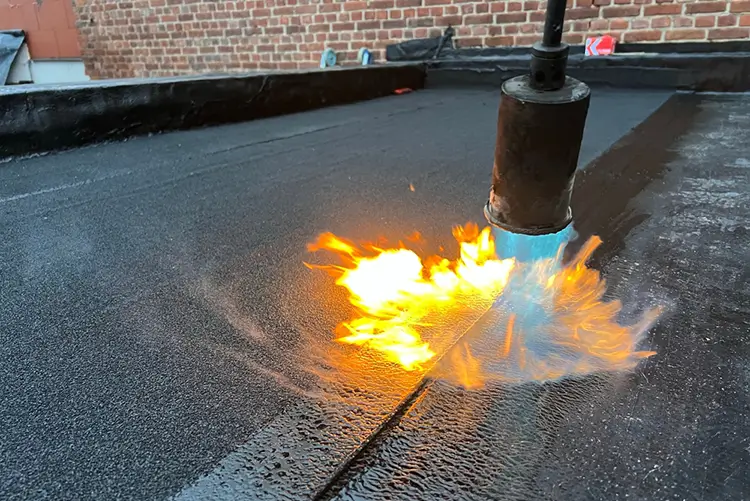
Bitumen roofing membranes generally consist of a bitumen binder, reinforcing materials, and protective surface layers. Their exact composition varies depending on the manufacturing process and intended application.
Bitumen (Asphalt Binder)
Bitumen is the main waterproofing component. It binds different membrane layers together and prevents water from penetrating the roofing structure.
The physical properties of the binder influence flexibility, adhesion, and temperature performance. In the wider bitumen market, products such as VG 20 Bitumen and VG 40 Bitumen are classified by viscosity and are commonly used in road construction. These grades should not automatically be considered suitable for roofing membranes without checking their technical specifications.
Reinforcement Materials
Manufacturers incorporate reinforcing materials to improve the mechanical strength of roofing membranes. The most common options include:
- Fiberglass: Provides dimensional stability and resistance to stretching.
- Polyester: Improves tensile strength, flexibility, and resistance to tearing.
These materials help membranes withstand structural movement and environmental stress.
Polymer Modifiers and Protective Layers
Modified bitumen membranes may contain polymers such as SBS (Styrene-Butadiene-Styrene) and APP (Atactic Polypropylene). These additives improve the physical properties of conventional bitumen.
Protective finishes can include mineral granules, sand, and metal foil. They help protect the membrane against UV exposure, weathering, and surface damage. Not every bitumen roofing product contains the same combination of materials.
What Is Bitumen Roofing Used For?
Bitumen roofing is primarily used to waterproof flat and low-slope roofs in residential, commercial, and industrial buildings. Its layered construction makes it suitable for projects requiring continuous protection against water penetration.
Commercial and Industrial Buildings
Warehouses, factories, office buildings, and commercial facilities commonly use bitumen roofing. Its membrane systems can cover large roof areas and provide reliable waterproofing when properly specified and installed.
Residential Flat Roofs
Bitumen membranes are suitable for residential flat roofs, garages, extensions, and other structures with limited roof slopes. They can be installed during new construction or used in roof replacement projects.
Roof Renovation and Waterproofing
Older roofing systems may develop cracks, damaged seams, or leaks over time. Modified bitumen membranes can restore waterproofing in suitable renovation projects. However, the existing substrate must be inspected before installation.
For large-scale projects, the availability and transportation of raw materials also matter. Some international buyers consider trading and logistics hubs such as Bitumen jebel Ali when sourcing bitumen for regional construction and manufacturing markets.
Types of Modified Bitumen Roofing
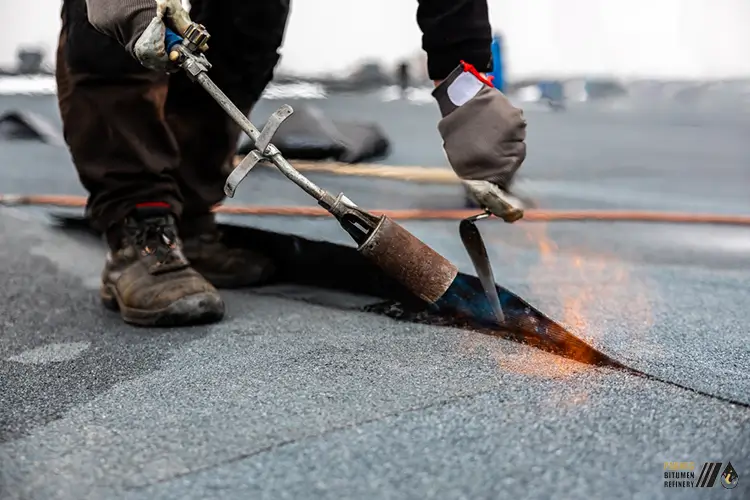
The two main types of modified bitumen roofing are SBS-modified and APP-modified membranes. Their primary difference is the polymer used to modify the bitumen, which affects flexibility, heat resistance, and installation characteristics.
SBS Modified Bitumen Roofing
SBS stands for Styrene-Butadiene-Styrene. It is an elastomeric polymer that gives bitumen greater flexibility and elastic recovery.
SBS membranes can accommodate temperature-related movement and are particularly useful in environments with significant temperature fluctuations. Their flexibility also makes them suitable for roofs with complex details and transitions.
APP Modified Bitumen Roofing
APP stands for Atactic Polypropylene. Unlike SBS, APP is a plastomeric modifier that increases the softening temperature of bitumen and improves its resistance to heat.
APP membranes generally maintain their shape better under higher temperatures. They are commonly used in warmer climates and roofing applications where heat resistance is an important requirement.
SBS vs. APP: What’s the Difference?
The main difference between SBS and APP membranes is how they respond to temperature and mechanical movement.
| Feature | SBS Modified Bitumen | APP Modified Bitumen |
| Polymer type | Elastomeric | Plastomeric |
| Flexibility | Higher | Generally lower |
| Cold-weather performance | Excellent flexibility | Depends on formulation |
| Heat resistance | Good | Generally higher |
| Main characteristic | Elasticity | Heat resistance |
Neither type is universally better. The right choice depends on climate, roof design, installation requirements, and the expected performance of the roofing system.
How Is Bitumen Roofing Installed?
Bitumen roofing is installed by preparing the roof surface, applying the appropriate base layer, and securing the waterproofing membranes. A typical installation involves the following steps:
- Preparing the Roof Deck: Cleaning, inspecting, and preparing the substrate.
- Applying the Base Sheet: Installing the first membrane layer according to the system specification.
- Installing Bitumen Membranes: Applying additional layers to create a continuous waterproof barrier.
- Sealing Seams and Joints: Ensuring overlaps, edges, and roof penetrations are properly sealed.
- Applying Protective Layers: Adding mineral granules or other specified surface finishes.
Common application methods include torch-applied, cold-applied, self-adhered, and hot-applied systems. Not every membrane supports all these methods. Torch application also requires appropriate fire prevention measures and trained installers.
Advantages and Limitations of Bitumen Roofing
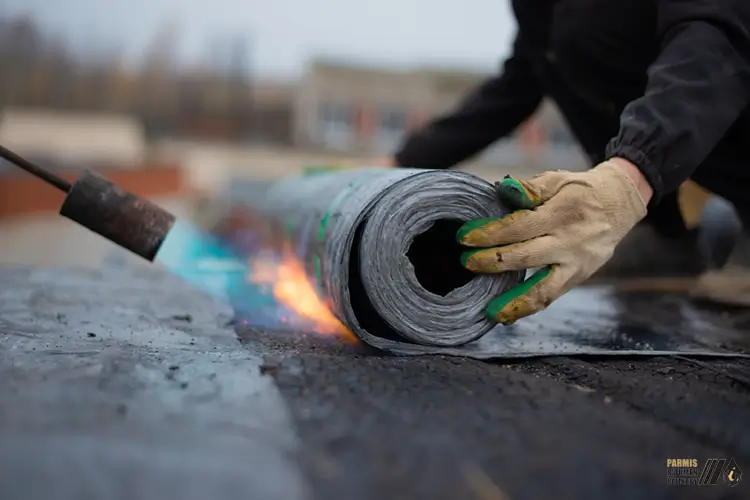
Bitumen roofing offers effective waterproofing and versatile installation options, but its performance depends on membrane specifications, installation quality, and maintenance.
Advantages of Bitumen Roofing
- Excellent Waterproofing: Creates a continuous barrier against water penetration.
- Durability: Properly installed systems can withstand various weather conditions.
- Flexibility: Modified membranes accommodate certain structural and temperature-related movements.
- Versatility: Suitable for different flat and low-slope roof designs.
- Repairability: Localized damage can often be repaired without replacing the entire roofing system.
Limitations of Bitumen Roofing
- Labor-Intensive Installation: Multi-layer systems require careful preparation and application.
- Fire Risks: Torch-applied membranes involve open flames and require strict safety procedures.
- UV Exposure: Unprotected bitumen can deteriorate under prolonged sunlight.
- System Weight: Multiple membrane layers can add considerable weight to the roof structure.
- Installation Sensitivity: Poorly sealed seams and incorrect application can lead to water infiltration.
Choosing and Sourcing Bitumen for Roofing Applications
Selecting suitable bitumen involves evaluating product specifications, intended use, packaging, and supply conditions. International buyers may compare Fob Iran bitumen offers when assessing export arrangements and shipping responsibilities.
Packaging is another consideration. Drum bitumen is commonly supplied in steel drums, while Jumbo bitumen is available in bulk packaging formats designed for appropriate handling and transportation. The choice depends on shipment volume, storage facilities, and the buyer’s operational requirements.
When comparing the Bitumen Price, buyers should consider product specifications, packaging, order volume, and transportation costs together. For roofing applications, the material must also meet the manufacturer’s requirements for membrane production. A competitive price alone does not guarantee that the bitumen is suitable for the intended roofing system.
Is Bitumen Roofing the Right Choice for Your Building?
Bitumen roofing can be an effective solution for buildings with flat or low-slope roofs that require dependable waterproofing. The right choice depends on membrane composition, climate conditions, roof design, and installation quality. Before selecting a system, review its technical specifications and confirm that the material meets the requirements of the project. Consulting a qualified roofing professional can help prevent compatibility problems and ensure reliable long-term performance.