
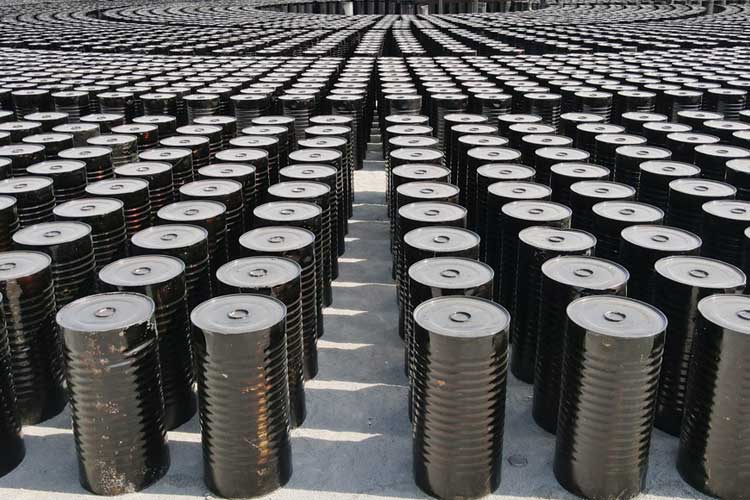
Bitumen is one of the most important materials used in road construction, waterproofing, roofing, and various industrial applications. Among the major trading and logistics hubs in the Middle East, Bitumen Jebel Ali has become a relevant search term for buyers looking for reliable access to bitumen through the United Arab Emirates. The strategic location of Jebel Ali Port, its extensive logistics infrastructure, and its connection to international shipping routes make the area an important point for regional and overseas trade.
For buyers, however, choosing bitumen should not be based only on the supplier’s location or the quoted price. Product grade, penetration, softening point, packaging, loading method, documentation, and final destination can all influence the real value of an order.
What Is Bitumen and Where Is It Used?
Bitumen is a highly viscous hydrocarbon material commonly obtained during the refining of crude oil. Its combination of adhesion, water resistance, flexibility, and durability makes it suitable for numerous construction and industrial applications.
The most familiar use of bitumen is in asphalt mixtures for roads and highways. It acts as the binder that holds aggregate particles together and helps the pavement withstand traffic and environmental conditions. Bitumen is also widely used in waterproofing membranes, roofing products, industrial coatings, and insulation systems.
Why Does Bitumen Grade Matter?
Not every bitumen product has the same physical characteristics. Different grades are manufactured to meet specific performance requirements, and selecting the wrong grade can negatively affect the final application.
Penetration grades such as 40/50, 60/70 and 80/100 are commonly traded in international markets. The appropriate grade depends on factors such as climate, application, engineering specifications and project requirements. Buyers should therefore confirm the required technical specification before requesting a quotation.
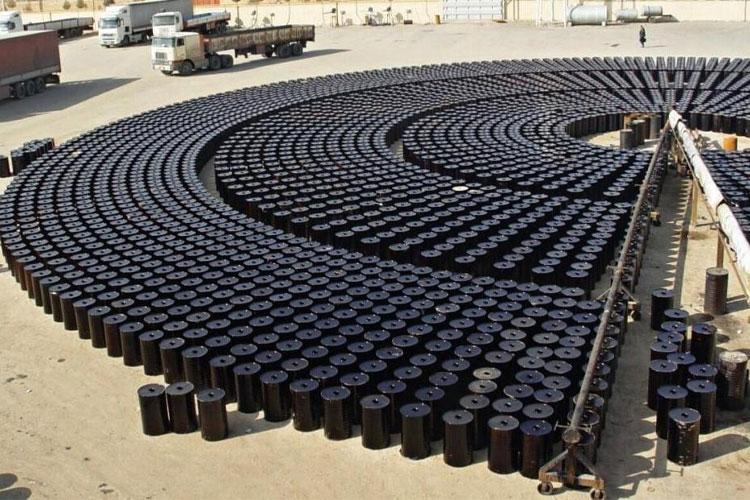
Why Is Jebel Ali Important for Bitumen Trading?
For international bitumen buyers, this can be particularly useful because logistics is an important part of the total procurement cost. A supplier may offer an attractive product price, but inefficient transportation, unsuitable packaging or additional handling charges can significantly increase the final landed cost.
Jebel Ali and International Bitumen Shipping
The location of Jebel Ali provides access to major maritime routes connecting the Middle East with Asia, Africa and other international markets. This makes it possible for traders and exporters to organize shipments according to the requirements of different destinations.
Depending on the order and destination, bitumen may be supplied in drums, jumbo bags or other suitable forms. The choice of packaging should consider transportation conditions, storage facilities and the requirements of the receiving country.
How to Choose a Reliable Bitumen Supplier in Jebel Ali
Choosing a supplier requires more than comparing several prices. A reliable supplier should be able to provide clear technical information, consistent product quality and appropriate export documentation.
Buyers should ask for the product specification sheet and, when required, a certificate of analysis or relevant quality documentation. It is also important to confirm the origin of the material, available grades, packaging options, minimum order quantity and delivery terms before finalizing a purchase.
What Should Be Checked Before Ordering?
Before placing an order for Bitumen Jebel Ali, buyers should verify several key factors. These include the exact grade, penetration range, softening point, packaging type, net weight per unit, loading capacity and shipment terms.
The supplier’s ability to maintain consistent quality between different batches is also important. For large construction projects, even small variations in material properties can affect processing and performance.
Bitumen Packaging Options
Packaging has a direct impact on transportation, storage and handling. Bitumen is commonly supplied in new steel drums, jumbo bags or bulk form depending on the buyer’s requirements and available logistics infrastructure.
Drums can be convenient for customers without bulk storage facilities, while jumbo bags may offer different handling and loading advantages. Bulk shipments can be more economical for large-volume industrial buyers when appropriate storage and transportation equipment is available.
How Does Packaging Affect the Final Cost?
The quoted price of bitumen should always be evaluated together with packaging and logistics. A lower material price does not necessarily mean a lower overall procurement cost if packaging, loading, inland transportation or port-related expenses are significantly higher.
For this reason, buyers should request a complete commercial quotation that clearly identifies the product specification, packaging, quantity, delivery terms and any additional charges.
Bitumen Price: What Factors Influence the Market?
Bitumen prices can change due to several factors, including crude oil prices, refinery production, regional supply and demand, freight costs, exchange rates and market conditions. As a result, there is no single fixed price that applies to all Bitumen Jebel Ali transactions.
The grade and packaging can also influence the final quotation. Buyers purchasing larger quantities may receive different commercial terms compared with smaller orders, while the destination country can substantially affect freight and delivery costs.
Why Should You Compare Total Landed Cost?
Instead of comparing only the FOB or ex-works price, international buyers should calculate the total landed cost. This may include product price, packaging, inland transportation, port handling, freight, insurance, customs-related expenses and other applicable charges.
This approach gives the buyer a more realistic picture of the actual cost of the material at its final destination.
Export Documentation and Quality Control
International bitumen transactions require accurate documentation. Depending on the destination and contractual terms, buyers may require commercial invoices, packing lists, certificates of origin, certificates of analysis and shipping documents.
Quality control should also be considered before shipment. For large orders, confirming the technical specification and testing requirements in advance can reduce the risk of disputes after the cargo arrives.
Why Technical Documents Are Important
Technical documentation allows the buyer to confirm whether the supplied product matches the requirements of the project. It can also make customs procedures, quality inspections and internal procurement processes easier.
A professional supplier should be able to clearly explain the specifications of the offered product instead of relying only on a generic product name.
Final Considerations When Buying Bitumen from Jebel Ali
Jebel Ali can be an attractive sourcing and logistics location for international bitumen buyers, but the best purchasing decision depends on several factors working together. Product grade, quality consistency, packaging, supplier reliability, documentation and shipping costs should all be assessed before placing an order.
For businesses searching for Bitumen Jebel Ali, the most effective strategy is to define the required grade and quantity first, request detailed technical and commercial information from qualified suppliers, and compare the complete landed cost rather than focusing exclusively on the headline price.
Ultimately, a successful bitumen purchase is not simply about finding the cheapest quotation. It is about obtaining the correct specification, reliable quality and suitable logistics at a commercially competitive total cost.