
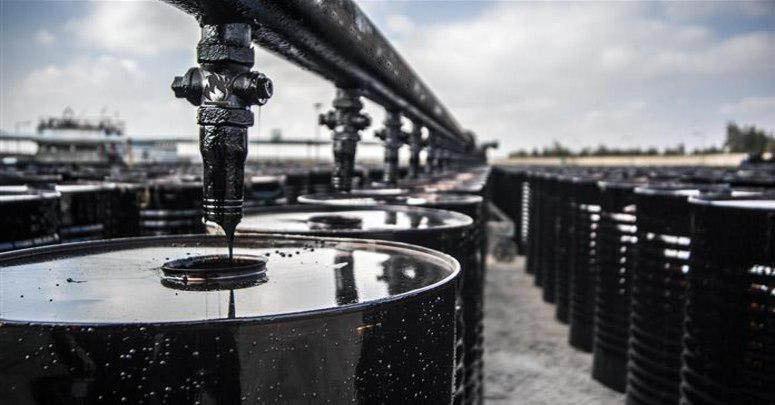
Why is the price of Iran bitumen more competitive compared to other countries, and why is there such a large difference between bulk bitumen prices and drum-packed bitumen prices? In this article from Parmis, we examine all the factors that influence the value of bitumen in Iran and worldwide. By reading this article, you will learn what drives bitumen prices up or down, the difference between 85/100 and 60/70 grades, and which packaging option is more cost-effective for you. This guide is especially for you if you are active in the bitumen market or looking for a secure purchase.
Iran bitumen price is shaped by more than the cost of raw materials. For buyers, contractors and trading companies, the final quotation can change with Vacuum Bottom (VB) rates, bitumen grade, exchange-rate movements, packaging, freight, order volume and the delivery term. Iran is also an important supply origin for export markets, so understanding how Iranian producers price and prepare bitumen helps buyers compare offers on a like-for-like basis. This guide explains the practical factors behind bitumen price, the main Iran bitumen grades, and the checks to complete before requesting an export quotation.
Iran Bitumen Price Today: How to Read a Current Quotation
Iran bitumen price today should always be read with its commercial context. A number on its own is not enough to compare two offers, because the quoted value may refer to bulk cargo, steel drums, jumbo bags or a specific delivery basis such as EXW, FOB or CFR. For an accurate comparison, ask the supplier to state the bitumen grade, packaging, net weight, loading port, payment terms, quotation validity and inspection requirements.
Before treating a quotation as a current market price, confirm the following details:
- Bitumen grade and applicable standard
- Packaging type, drum specification and net weight
- Incoterm and named port or destination
- Quotation currency and validity period
- Loading schedule, minimum order quantity and payment terms
- Certificate of analysis and third-party inspection options
This approach helps buyers distinguish a competitive Iran bitumen price from an incomplete quotation that may later include packaging, handling, port or freight costs.
How is the Bitumen Price Determined and What Controls It?
The bitumen price in Iran is shaped by a combination of economic, structural, and technical factors. The primary basis for pricing is the Vacuum Bottom (VB) rate, which is the main feedstock for bitumen production and is determined through the Iran Mercantile Exchange. This rate is usually announced twice a week and serves as the benchmark for calculating bitumen prices.
In addition, factors such as exchange rates, transportation costs, packaging type (bulk or drum), bitumen grade 60/70 or 85/25, and domestic or international market demand play a decisive role in the final price. Grade and quality also have a direct impact. For example, harder grades like 30/40, which are used in hot climates, typically command higher prices.
Impact of Vacuum Bottom Rates on Domestic and Export Bitumen Prices
In Iran, the VB rate is one of the main factors influencing bitumen prices. This feedstock, extracted from refinery vacuum towers, directly determines the base price of bitumen in the Mercantile Exchange. For example, an increase in VB prices in April not only impacted the domestic market but also raised export prices. Higher VB rates push production costs upward and can reduce Iranian producers’ competitiveness in the international market.
The Role of Exchange Rate Fluctuations in Iran’s Bitumen Pricing
The exchange rate—particularly the U.S. dollar—is the second key factor in determining the value of bitumen in Iran. Since bitumen exports are based on the dollar and other foreign currencies, an increase in the exchange rate against the Iranian rial makes the price of Iranian export bitumen more competitive in global markets.

Global Influences on Bitumen Prices in 2025
In 2025, the global bitumen market was affected by structural, environmental, and political factors. These included rising crude oil prices, export restrictions by some countries, and growing demand in Asia and Europe.
Bitumen prices are heavily tied to crude oil fluctuations, as bitumen is a byproduct of oil refining. Changes in customs tariffs, international freight costs, and steel drum prices also played a key role in 2025.
Link Between Global Oil Prices and Export Bitumen Prices
The global price of crude oil is directly connected to export bitumen prices because bitumen is a derivative of crude. Any increase or decrease in oil prices typically translates proportionally to bitumen prices. Common export grades such as 60/70 and 85/100 bitumen are often priced in line with global oil trends.
Global Bitumen Market Conditions and the Role of Competitors
Iran is one of the main bitumen exporters in the region but faces competition from countries such as Saudi Arabia, Bahrain, and India. These competitors benefit from newer technologies and shorter transportation routes, enabling them to offer lower prices.
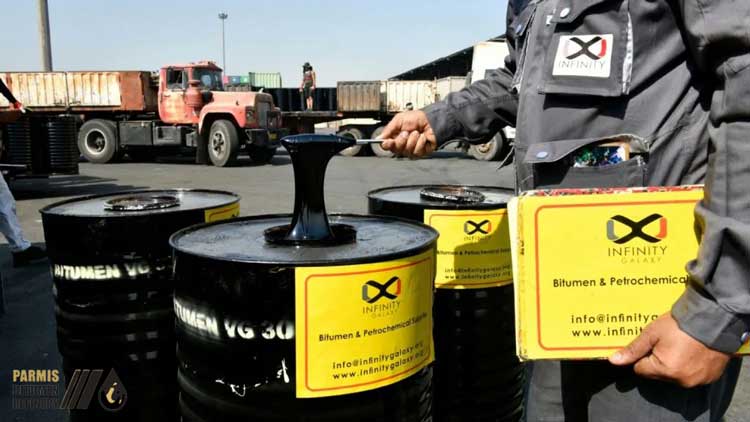
Packaging differences also play a role in competition. For instance, lighter and standardized drums, such as 190 kg drums with a thickness of 0.6 mm, reduce costs and increase sales. Additionally, the distance from export ports to target markets is a key factor in determining export prices.
| Read more: Additional costs affecting the cost price of bitumen |
Why Do Bitumen Prices Differ Between Iran and Other Countries?
Price differences between Iran and other countries are influenced by various factors, including production structure, energy costs, packaging types, distance to target markets, and domestic policies.
Key Differences in Iran’s Bitumen Production and Export Structure Compared to Competitors:
Iran has six active bitumen refineries located in cities such as Tehran, Shiraz, Arak, Bandar Abbas, Abadan, and Tabriz. Pasargad Oil Company alone produces over 1.2 million tons of bitumen annually, with 56% allocated for export. In contrast, some countries with lower production but higher quality capture a larger share of the global market.
Factors influencing price differences include:
- Production and packaging costs
- Packaging type and export standards
- Distance to export ports
- Domestic and international transportation costs
- Subsidy policies or price liberalization
Main Domestic Factors Affecting Bitumen Prices in Iran
In the domestic market, bitumen prices are directly affected by factors such as VB rates, refinery capacity, bitumen grade, regional demand, and seasonal consumption trends. These create a
variable mix that drives price fluctuations
Key domestic market factors include:
- Refinery production capacity
- Bitumen quality and grade (60/70, 85/25, 90/15, etc.)
- Compliance with standards and certifications
- Seasonal and regional demand
- Price fluctuations in the Mercantile Exchange
Iran Bitumen Grades and Typical Applications
Iran bitumen grades are commonly selected according to penetration, climate conditions, pavement design and the intended application. The grade name alone should not replace technical review; buyers should verify the certificate of analysis and the project specification before purchasing.
| Bitumen Grade | Typical Characteristic | Common Applications | Buyer Check |
|---|---|---|---|
| Bitumen 60/70 | Widely used penetration grade | Road construction and asphalt applications | Review penetration, softening point and ductility |
| Bitumen 85/100 | Softer penetration grade | Applications specified for lower-viscosity penetration grades | Confirm suitability for climate and mix design |
| Bitumen 40/50 | Harder penetration grade | Projects requiring a harder binder, subject to design requirements | Compare temperature performance and project specification |
| Bitumen 85/25 | Oxidized bitumen grade | Waterproofing, roofing and industrial uses | Check softening point and penetration requirements |
For any grade, the final purchase decision should be based on the approved technical specification rather than a general market description. This is particularly important when comparing offers from different producers or exporters.
How to Evaluate an Iran Bitumen Producer
An Iran bitumen producer should be assessed on consistency, documentation and export readiness—not only on the lowest quoted price. Buyers should confirm whether the supplier is a refinery, a manufacturer with direct production access, or a trading company. Each model can work, but the commercial and quality-control process must be clear before an order is placed.
A reliable producer or supplier should be able to provide a current certificate of analysis for the requested grade, explain its sampling procedure, confirm available packaging, and identify the loading location. For export orders, it is also useful to clarify the inspection company, shipping documents, production lead time and the process for handling a specification dispute.
When comparing suppliers, evaluate the full delivered value: product quality, packaging integrity, loading reliability, documentation and logistics coordination. A lower unit price can lose its advantage if delayed loading, weak drums or incomplete export documents create additional cost at destination.
Mercantile Exchange vs. Free Market Bitumen Prices: Differences and Reasons
The Iran Mercantile Exchange serves as the official benchmark for bitumen pricing. However, free market prices often differ from exchange prices. This gap is due to factors such as settlement timelines, real-time exchange rate changes, and indirect costs.
Exchange prices are updated weekly with some delay, while the free market reacts instantly to currency fluctuations. Moreover, buying from the Exchange requires a trading code and official procedures, while free market transactions are faster and more flexible.
- Main causes of price gaps include:
- Price update schedules in the Exchange
- Transaction-related indirect costs
- The role of brokers and intermediaries
- Supply-demand structure
- Exchange base prices and price ceilings
| Recommend article: What is Bulk Bitumen? |
- Conclusion
- Bitumen prices are influenced not only by raw material costs but also by economic conditions and international factors. The VB rate in the Energy Exchange is the main pricing foundation. For example, when VB prices in April 2024 reached 124,000 IRR per kilogram, bulk bitumen prices rose to about 18 million IRR per ton.
- If you’re a bitumen buyer or active in related industries, understanding these factors can help you make better purchasing decisions. For more insights into bitumen market analysis and other related topics, visit Parmis’ blog.
- FAQs
- How does the VB rate affect final bitumen prices?
- Bitumen prices are directly tied to the VB rate. An increase in VB prices raises the base price of bitumen in the Exchange.
- Does packaging quality affect export bitumen prices?
- Yes. Poor packaging can damage bitumen during transportation, lowering buyer confidence and export prices.
- Does seasonal change affect bitumen demand?
- Yes. During rainy and cold seasons, bitumen consumption decreases, leading to stable or lower prices.
- Which countries have the highest demand for Iran bitumen?
- India, China, the UAE, and African countries are the main buyers of Iran bitumen. Geographical location and competitive pricing give Iran an export advantage.
What to Check Before Choosing an Iran Bitumen Exporter
An Iran bitumen exporter is responsible for more than arranging a sale. The exporter must coordinate product availability, packaging, port handling, export documents and communication between the buyer, inspection company and shipping line. For this reason, export capability should be assessed separately from the product quotation.
- Request the product specification and certificate of analysis for the exact grade.
- Confirm the packing method, net weight and drum or jumbo-bag specification.
- Agree on the Incoterm, loading port, shipment window and destination requirements.
- Clarify which documents will be issued, including invoice, packing list, certificate of origin, bill of lading and inspection certificate where required.
- Define the inspection, claim and quality-verification process before payment and loading.
These checks make it easier to compare Iran bitumen exporters fairly and reduce the risk of comparing a complete export offer with a product-only price.
Why Two Bitumen Price Offers May Not Be Comparable
Two bitumen price offers can look different even when they refer to the same grade. One quotation may include new steel drums, port handling and FOB charges, while another may refer only to bulk product at the factory gate. Currency basis, payment terms, order quantity, loading date and destination can also change the final commercial value.
To compare offers accurately, place every quotation in the same format: identical grade, packaging, net weight, Incoterm, port, currency, payment term and validity date. This creates a clearer basis for evaluating an Iran bitumen producer or exporter and helps prevent unexpected costs after the purchase decision.
Frequently Asked Questions About Iran Bitumen Price
What affects Iran bitumen price the most?
Iran bitumen price is mainly influenced by feedstock costs, grade, packaging, exchange-rate conditions, freight, order volume, supply-demand conditions and the agreed delivery term. A complete quotation should show which of these costs are included.
How can I compare Iran bitumen exporters?
Compare exporters using the same product grade, packaging, Incoterm, loading port, payment terms, inspection arrangement and documentation scope. Comparing only the price per ton may not show the total delivered cost.
Which Iran bitumen grades are commonly requested?
Common requests include penetration grades such as 60/70, 85/100 and 40/50, along with oxidized grades such as 85/25. The appropriate grade depends on the project specification, climate conditions and end use.
Is Iran bitumen price today the same as the final export price?
Not necessarily. A current market indication may exclude packaging, port charges, freight, inspection, banking costs or other commercial items. Buyers should request a dated quotation with a clear delivery basis.
What documents should accompany an export bitumen shipment?
The exact document set depends on the destination and contract, but buyers commonly request a commercial invoice, packing list, certificate of origin, bill of lading and certificate of analysis. Inspection documents may also be required by the buyer or destination market.