
Why does Iran’s bitumen cost less than that of Turkey or the United Arab Emirates? Many regional buyers are concerned about this. If you’re unsure of the cause of this discrepancy or want a more thorough analysis, Parmis has examined all the relevant variables, including vacuum bottom price, packaging type, export expenses, and the proportion of Iran’s largest refineries. You can get a better understanding of the local bitumen market from this article.
Iran’s most recent bitumen price list, broken down by type and packaging
This section examines the list of current bitumen prices in Iran by packaging type (barrel, bulk, polybag, etc.) and grade (e.g., 60/70 or VG30). These prices are a crucial factor for both domestic and foreign buyers and exporters, and they are updated based on market conditions, raw material costs, and transportation methods. The following are the details of the Iran bitumen price:
- Bulk 60/70 bitumen: approximately 23 million Tomans
- About 5 million Tomans’ worth of 60/70 bitumen in barrels
- Barrels of soft bitumen: 4.8 million Tomans
- Bitumen hard (carton-pack): 330 thousand Tomans
Iran’s place in the world market for bitumen and how it affects bitumen prices
Iran is one of the world’s top five exporters of bitumen, with an annual production of over 5.5 million tons. The strategic location is a result of having access to specialized bitumen refineries, vacuum bottom production units, and abundant crude oil resources. In both domestic and foreign markets, Iranian bitumen is renowned for both its quantity and quality. Iran is able to exert considerable influence over the bitumen price in Bandar Abbas and other regional markets thanks to its strategic location.
Iran’s primary destinations and exports of bitumen to neighboring countries
The Middle East, South Asia, East Africa, and Gulf nations are the primary destinations for Iran’s bitumen exports. The UAE, India, Oman, Kenya, Bangladesh, Sri Lanka, Qatar, and Iraq are among the most significant travel destinations. Iran’s competitive value for bitumen is increased by its geographic proximity to these markets, which also lowers transportation costs. Additionally, loading and shipping are accelerated by using the export terminals in Bandar Abbas, Mahshahr, and Assaluyeh. This helps maintain the competitiveness of Bitumen Jebel Ali and other regional terminal costs when Iranian bitumen ships to ports like Jebel Ali.
Key factors determining bitumen price in Iran and neighbouring countries
Many logistical, political, and economic factors influence the price of bitumen. Among the most significant factors influencing prices in Iran and its neighbors are the exchange rate, the price of crude oil, the global vacuum bottom price, export taxes, and supply and demand worldwide. Additionally, the final price is influenced by the presence of sanctions, banking restrictions, and transportation expenses.
The impact of vacuum bottom, exchange rate, and crude oil price on bitumen pricing
One of the primary pricing indicators is the price of crude oil, which is the raw material used to produce bitumen. At the same time, bitumen prices both domestically and internationally are directly impacted by the exchange rate, particularly the US dollar’s value relative to the Iranian rial. However, the primary feedstock for bitumen production facilities, vacuum bottom (VB), accounts for roughly 70% of production costs. Bitumen value rises in response to VB price increases.
Government policies and sanctions’ effects on changes in the price of export bitumen
Bitumen export prices have gone up as a result of economic sanctions placed on Iran, particularly in the areas of banking and international transportation. In certain instances, these circumstances have decreased competitiveness or increased export prices. Bitumen price fluctuations in the Iranian market are also caused by domestic policies like vacuum bottom quota allocation and administrative pricing.
| Also read: Everything you need to know about Iranian bitumen |
Iran’s bitumen price in 2025 in comparison to that of Bahrain, the United Arab Emirates, Turkey, and Iraq
According to comparative data, Iran’s bitumen prices are typically 10–15% less than those of its neighbors in 2025. The price per ton is estimated to be between USD 290 and USD 320 in Iran, USD 350 to USD 380 in the United Arab Emirates, and USD 360 in Bahrain. Iraq receives bitumen that costs more than USD 390 per ton because of its reliance on imports.
The average price of bitumen exported from Iran is approximately USD 305 per ton in 2025, while the average price of bitumen exported from Turkey is USD 355 per ton. Variations in production costs, raw material accessibility, and cost of goods sold are the causes of this price discrepancy.
Evaluation of bitumen type, standards, and packaging as determinants of rate variation
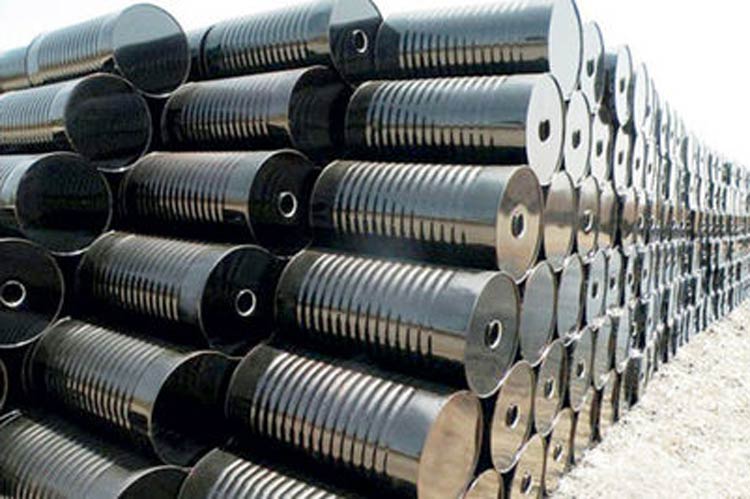
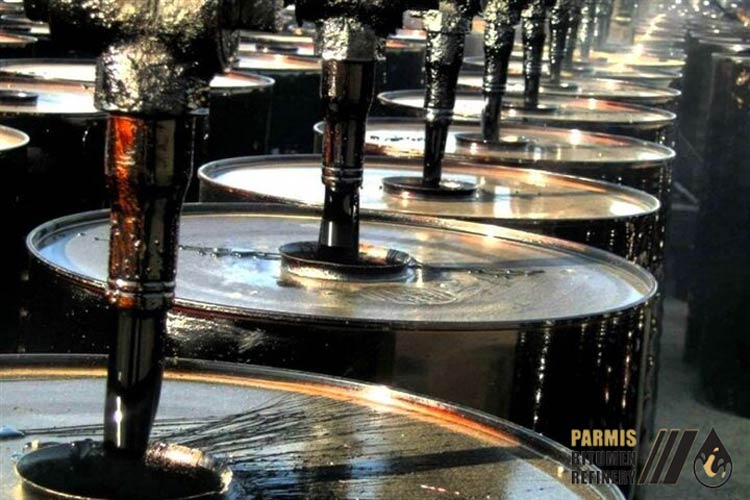
The bitumen’s technical specifications, standard level, and packaging type all affect the final bitumen price. Because it costs more to transport, bitumen packaged in steel barrels or metal drums is more expensive. Jumbo-bags or bulk packaging, on the other hand, lower overall costs. Additionally, getting international approvals or SGS certification drives up the price of the product in export markets.
The type of bitumen (60/70, 85/25, or emulsion) has the following effects on the region’s overall cost:
- The most popular export from Iran is 60/70 bitumen, which is affordable and ideal for asphalt paving.
- More costly, harder bitumen that performs well in tropical climates is 85/25 bitumen.
- Only specific projects use the more costly advanced type of bitumen emulsion, which is more costly than penetration bitumen.
Conclusion
Due to less expensive access to vacuum bottom, bitumen prices in Iran are lower than those in other regional nations. Be sure to consider aspects like bitumen type, dollar rate, and packaging if you plan to purchase export bitumen. The same product costs more than USD 340 per ton in the United Arab Emirates, but it costs about USD 250 per ton in Iran (depending on the circumstances). While bulk bitumen is less expensive but requires specialized equipment for export, barrel packaging is more costly but provides superior transport durability. It is preferable for exporters to choose bitumen type and packaging according to the country of destination. To learn about ways to reduce export costs and stay informed of market fluctuations, browse other articles in the Parmis blog.